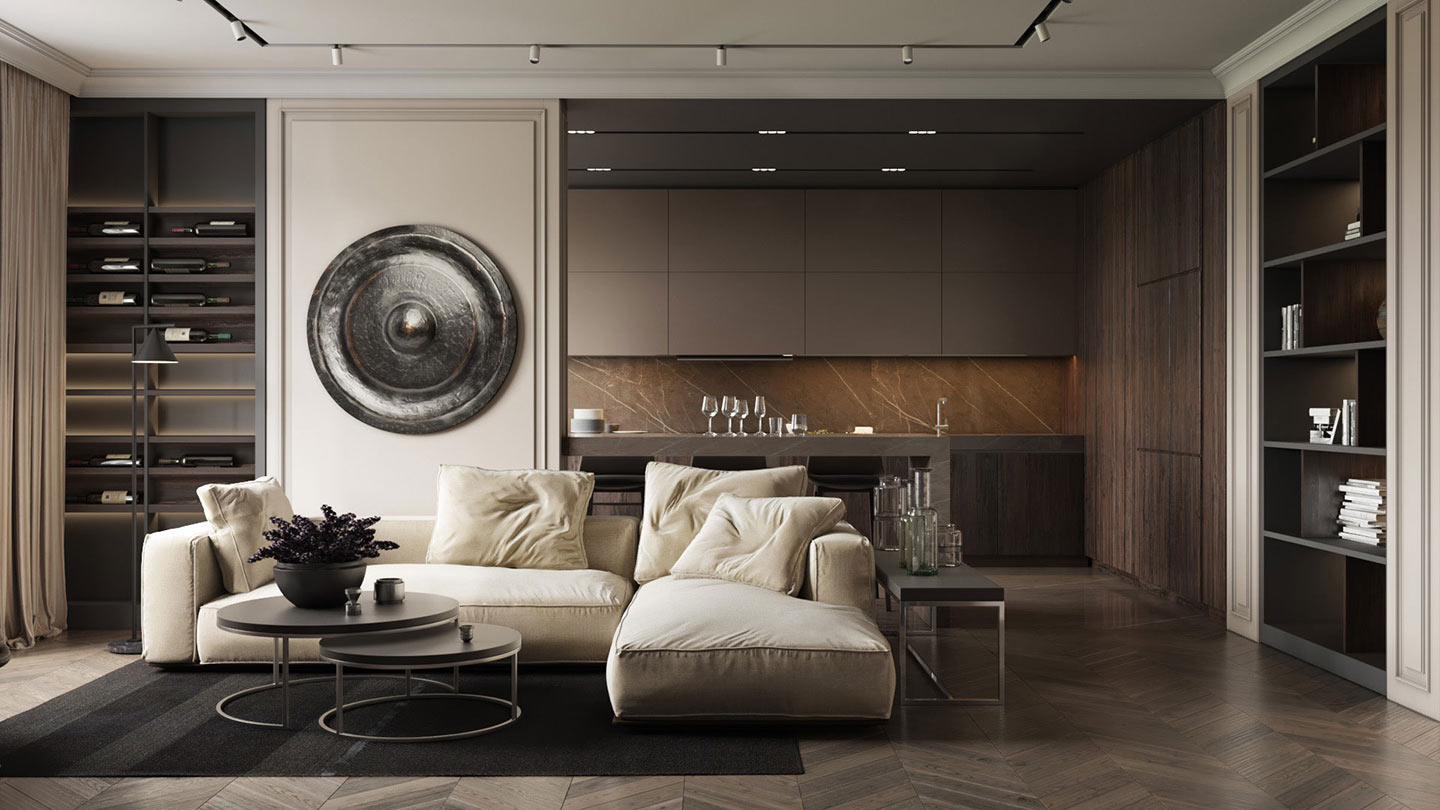
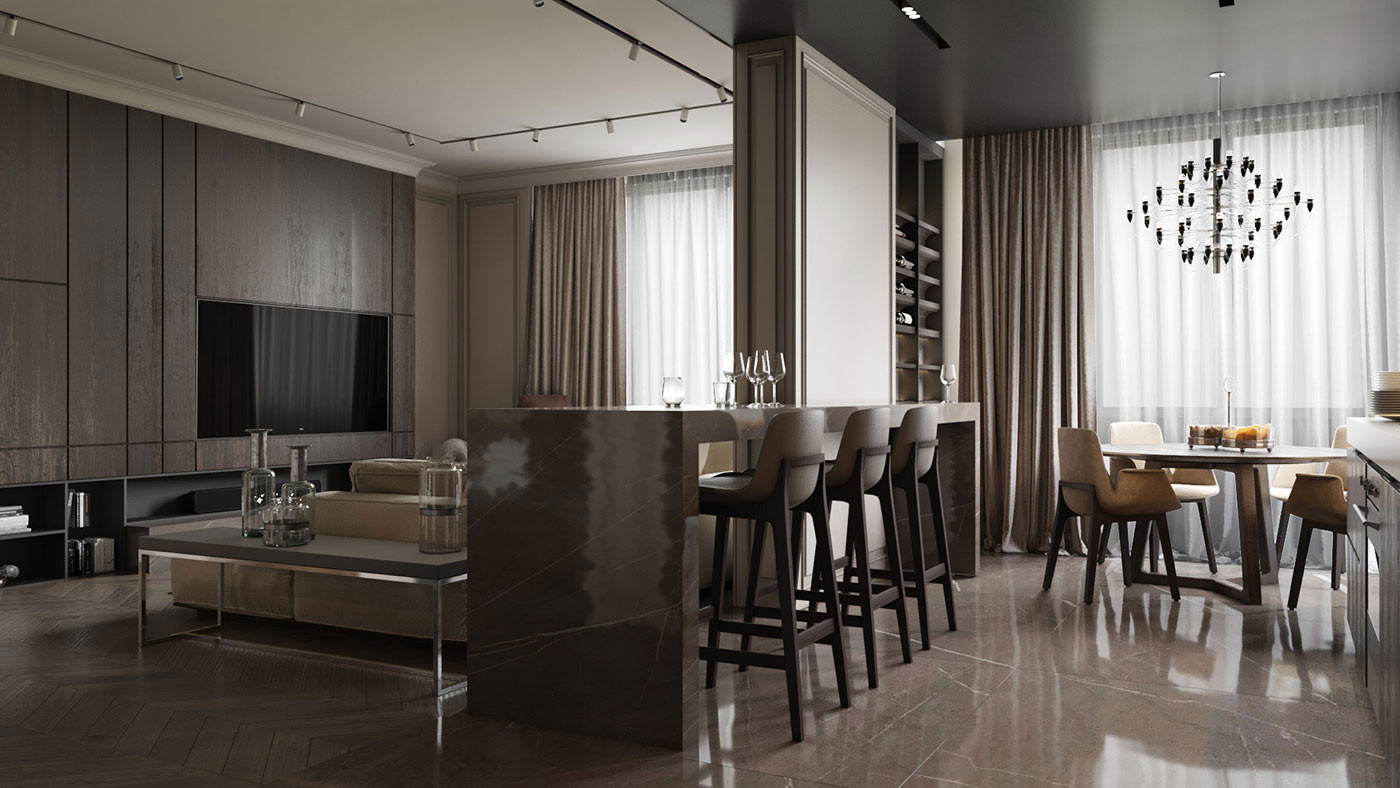
Considering the physical, mental and emotional needs of people, interior designers are using human-centred approaches to address how we live today. Creating new approaches to promoting health, safety and well-being, contemporary interiors are increasingly inspired by biophilia as a holistic approach to promoting health, safety and well-being, contemporary interiors are increasingly inspired by biophilia as a holistic approach to design. Interior design, by definition, encompasses various aspects of our environment. The discipline extends to building materials and finishes; cases, furniture.
Biophilia is the idea that humans have an innate tendency to connect with nature. The term comes from the ancient Greek for “love of living things” (philia = love/inclination for living things) and was coined by the German-born American psychoanalyst Erich Fromm in his book The Anatomy of Human Destructiveness (1973), in which he defined biophilia as “the passionate love of life and all that is alive”. The term was later used by American biologist Edward O. Wilson in his Biophilia (1984), which argued for the human tendency to focus on and relate to nature and other forms of life.
Design in Details
In design, we bring features of the natural world, such as water, greenery and natural light, or elements such as wood and stone, into built spaces. Encouraging the use of natural systems and processes in design provides exposure to nature, and these design approaches also improve health and wellbeing. There are a range of possible benefits, including reduced heart rate variability and pulse rates, lower blood pressure and increased activity in our nervous systems.
Over time, our connections with the natural world have changed in parallel with technological advances. Advances in the 19th and 20th centuries fundamentally changed the way humans interact with nature. We spent more and more time indoors, sheltered from the elements. Today, the majority of people spend almost 80-90 per cent of their time indoors, shuttling between their homes and workplaces. As interior designers, we embrace biophilia.
[30m2]
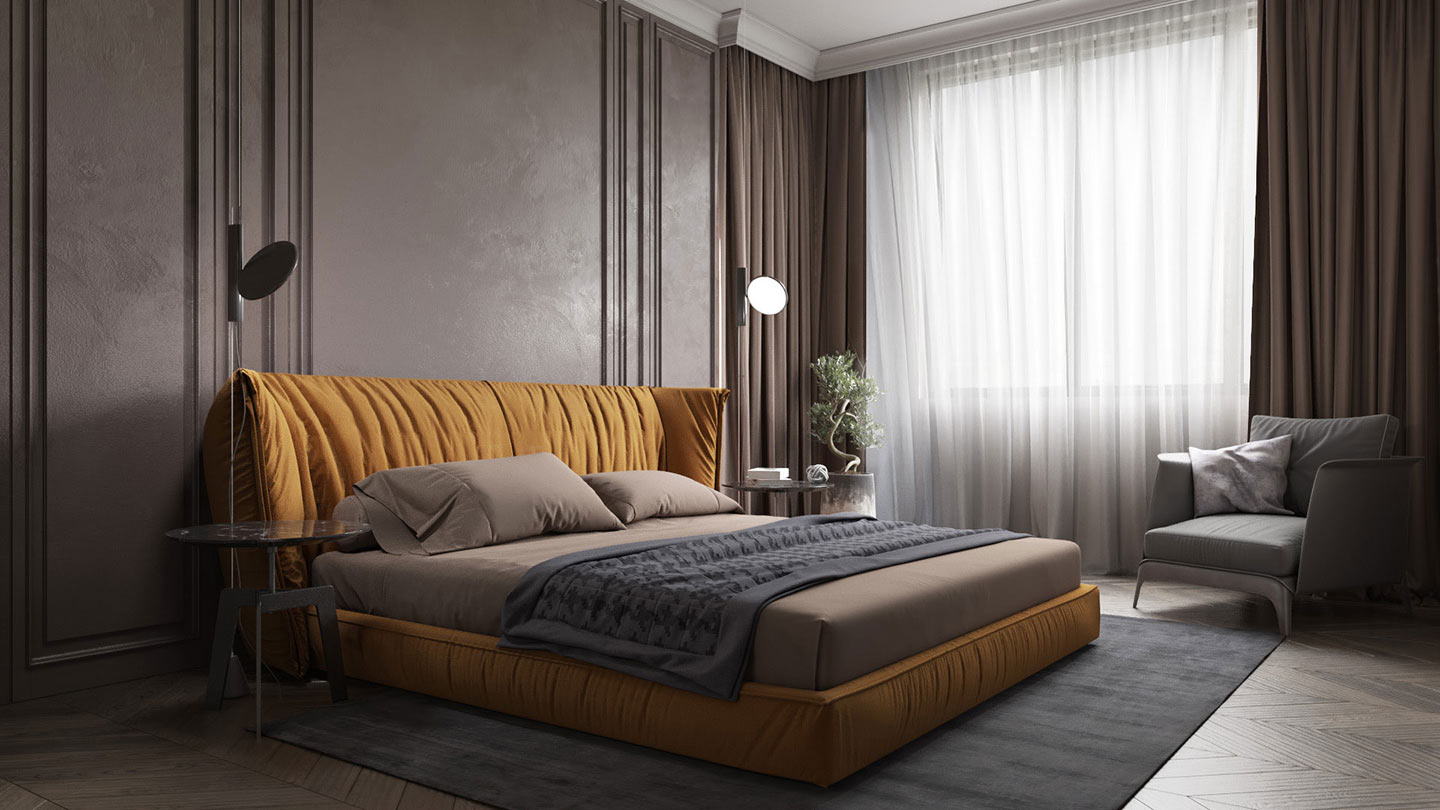
Bedroom
[22m2]
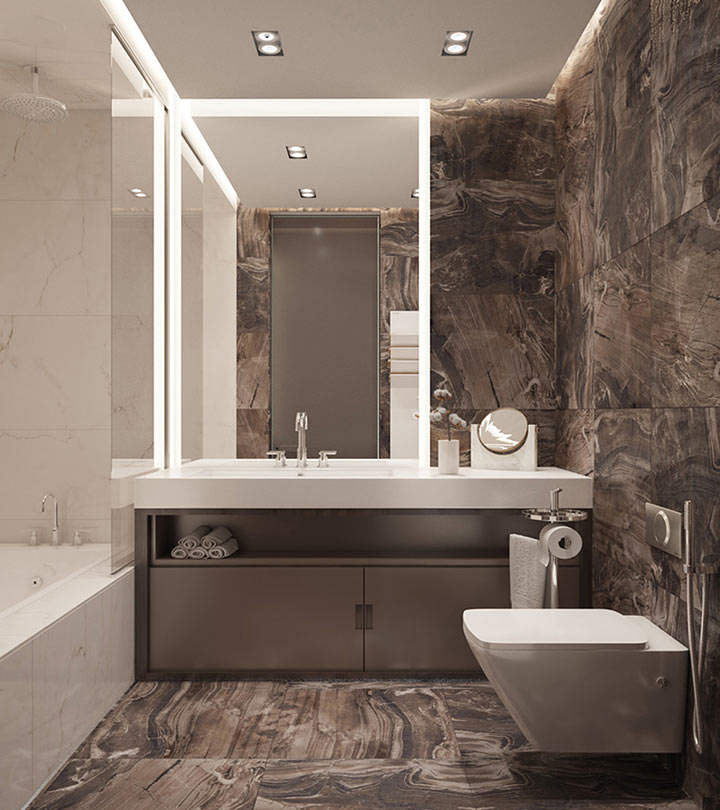
bathroom
[28m2]
workspace
[15m2]
kitchen area
Incredible Result
By creating multi-sensory experiences, we can design interiors that resonate with different age and demographic groups. By connecting us to nature, these rooms and spaces are a proven way to inspire, increase productivity and create greater wellbeing. Beyond these benefits, we can also accelerate healing by reducing stress and increasing creativity. In our increasingly urbanised cities, biophilia advocates a more humanistic approach to design. The result is biophilic interiors that celebrate how we live, work and learn alongside nature.